
Description:
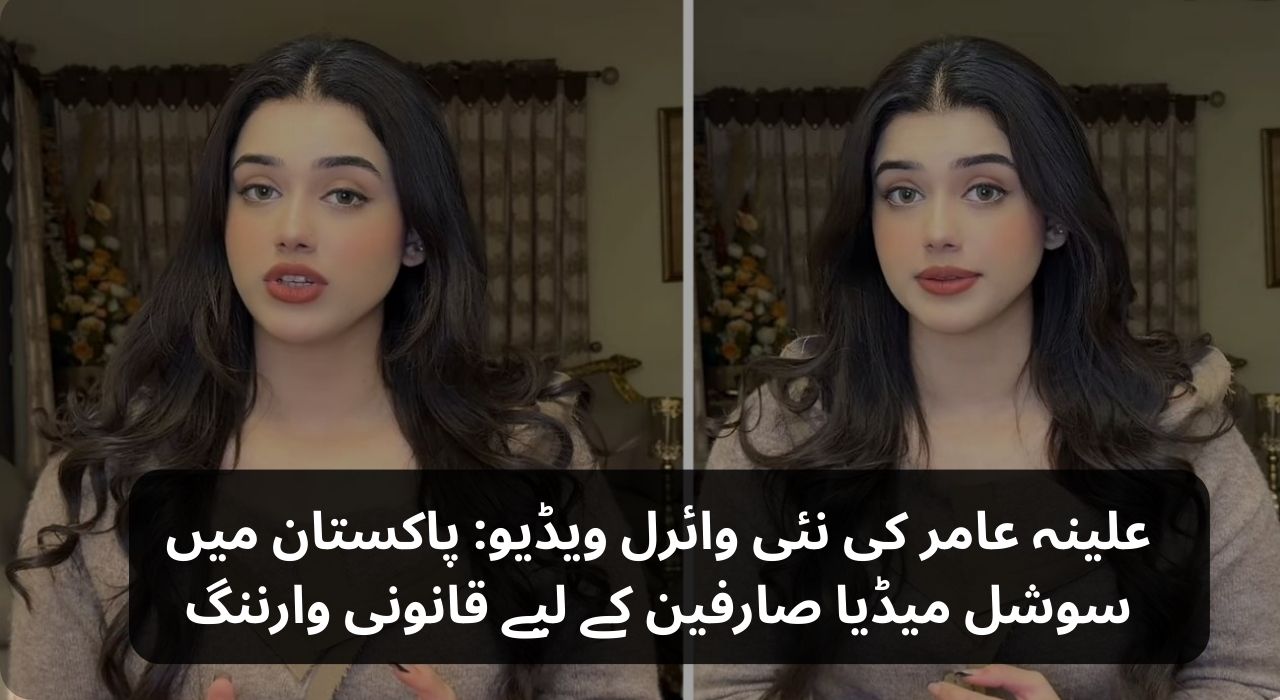
Alina Amir became one of the most searched names on Google in Pakistan in the last 24 hours. A video linked to her name is going viral on social media. The Punjab government has now taken notice. This post explains the law, the risks, and why sharing such content can destroy lives.
What Is Happening Right Now
According to online trends, Alina Amir was the third most searched name on Google in Pakistan in the last 24 hours. After a video started circulating, many people began sharing it without thinking about the results.
Now the Punjab government has taken action. Authorities are using artificial intelligence to track people who upload or forward such content on social media platforms.
This is not a joke anymore.
Important Legal Warning for Pakistanis
Pakistan has strict cyber crime laws. Many people do not know this, especially young users.
If you share someone’s personal photos or videos, even if:
- Someone else sent them to you
- You only forwarded them
- The content was made using artificial intelligence
You can still be punished under the PECA Act.
PECA Act Punishments You Must Know
| Law Section | Crime | Punishment |
|---|---|---|
| PECA Act Section 21 | Sharing personal photos or videos | Up to 5 years jail |
| Fine up to Rs 5 million | ||
| PECA Act Section 24 | Online harassment or misuse | Up to 3 years jail |
| Fine up to Rs 1 million |
Highlighted Point:
Even sharing content made by AI is a crime if it harms someone.
Artificial Intelligence Is Tracking You
Many people think they are safe if they delete posts later. This is wrong.
- AI systems track uploads
- Screenshots are saved
- Forward history can be traced
Once shared, it cannot be undone.
A Message for Girls and Boys in Pakistan
If someone leaks or shares your private content:
- You are protected by law
- The person responsible can go to jail
- Heavy fines can be imposed
You do not have to stay silent.
Pakistan’s law is there to protect you.
You can read more awareness content at
👉 8171rashanprogram.com/
Why You Should Stop Sharing Such Content
- You can ruin someone’s life
- You can destroy families
- You can go to jail
- You can face heavy fines
- Your digital record stays forever
Think before you click share.
FAQs
Is it illegal to share a viral video sent by someone else?
Yes. Even forwarding is a crime under the PECA Act.
What if the video was made using AI?
It is still illegal if it shows someone without consent.
Can the government really track social media users?
Yes. AI tools and cyber crime units are actively monitoring.
What should I do if I receive such content?
Do not share it. Delete it. Report the account.
Can victims take legal action?
Yes. FIRs can be registered under PECA laws.
Conclusion
The case linked to Alina Amir’s viral video is a strong reminder. Social media is not a free space without rules. Laws exist in Pakistan, and they are being enforced.
Before sharing anything, ask yourself one question:
Is this worth jail, fines, and regret?
Be responsible.
Respect privacy.
Follow the law.
For more updates and legal awareness, visit
👉 8171rashanprogram.com/