
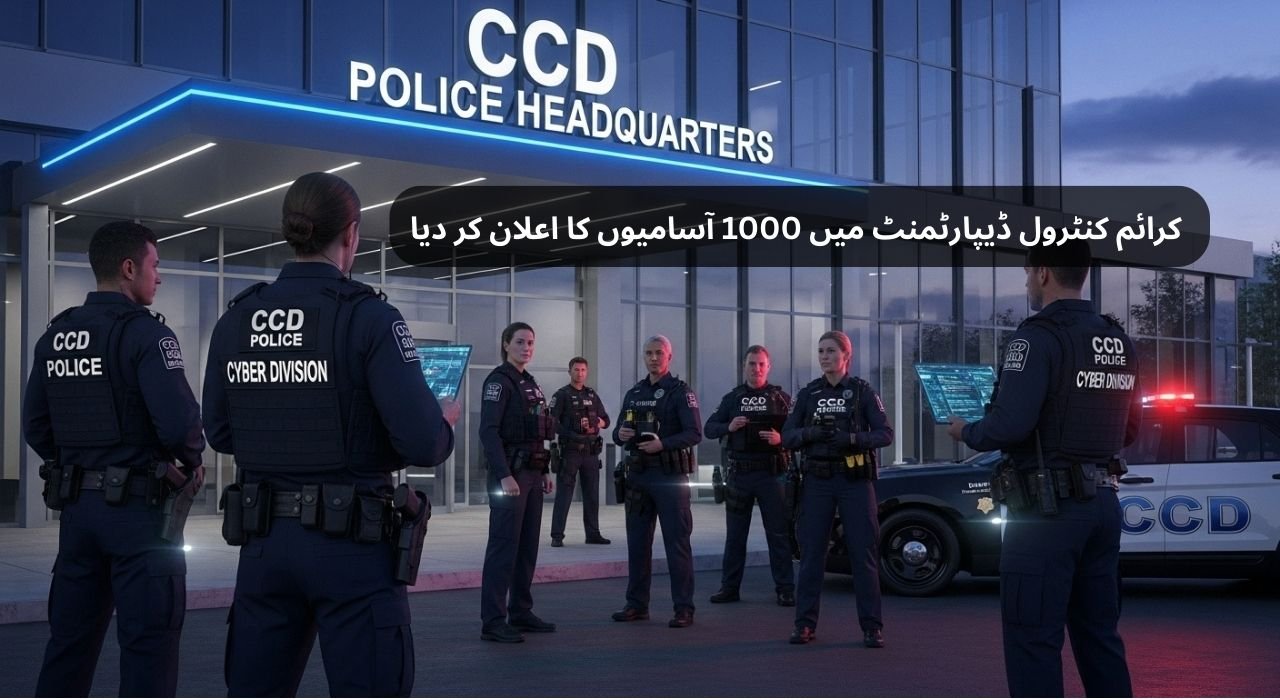
The Punjab government has announced more than 1,000 new vacancies in the Crime Control Department (CCD). This is a great opportunity for candidates who want to join the Punjab Police and serve in the crime department.
According to official information, the Punjab Police has prepared a summary for recruitment in the CCD and sent it to the Home Department. After that, the Home Department forwarded the summary to the Chief Minister for approval.
Under this decision, recruitment will be done for the posts of Constable and Driver Constable.
For more updates and job news, you can visit our website:
👉 https://8171rashanprogram.com/
📌 Key Highlights of CCD Recruitment
| Category | Details |
|---|---|
| Department | Crime Control Department (CCD) |
| Total Vacancies | 1,000+ Posts |
| Posts Available | Constable, Driver Constable |
| Recruitment Status | Summary sent for approval |
| Hiring Authority | Punjab Police |
| Approval | Sent to Chief Minister |
What is the Crime Control Department (CCD)?
The Crime Control Department is a special unit of Punjab Police that focuses on controlling crime and improving law and order. This department works to reduce criminal activities and ensure public safety across Punjab.
The new recruitment will help strengthen the department and provide better security to citizens.
Posts Announced in CCD Recruitment
The recruitment will be made for the following posts:
- Constable
- Driver Constable
These positions are expected to attract a large number of applicants due to the high number of vacancies and the importance of the department.
Recruitment Process Update
- Punjab Police has prepared a recruitment summary.
- The summary has been sent to the Home Department.
- The Home Department has forwarded it to the Chief Minister for approval.
- After approval, the official advertisement is expected to be released.
Candidates are advised to stay updated with official announcements.
For latest updates, keep visiting:
👉 https://8171rashanprogram.com/
FAQs – Punjab CCD Recruitment 2026
1. How many vacancies are announced in the CCD?
More than 1,000 vacancies have been announced in the Crime Control Department.
2. Which posts are available?
Recruitment will be for:
- Constable
- Driver Constable
3. Has the recruitment started?
Not yet. The summary has been sent for approval. Recruitment will start after official approval and advertisement.
4. Who will approve the recruitment?
The summary has been sent to the Chief Minister for final approval.
5. Where can I get latest updates?
You can get the latest updates from:
👉 https://8171rashanprogram.com/
Conclusion
The announcement of 1,000+ vacancies in the Crime Control Department is a major step by the Punjab government to improve law and order. This recruitment will create new job opportunities for many young candidates and strengthen the Punjab Police.
If you are interested in government jobs, this is a great chance. Stay connected with official sources and keep checking 8171rashanprogram.com/ for the latest news and updates.